
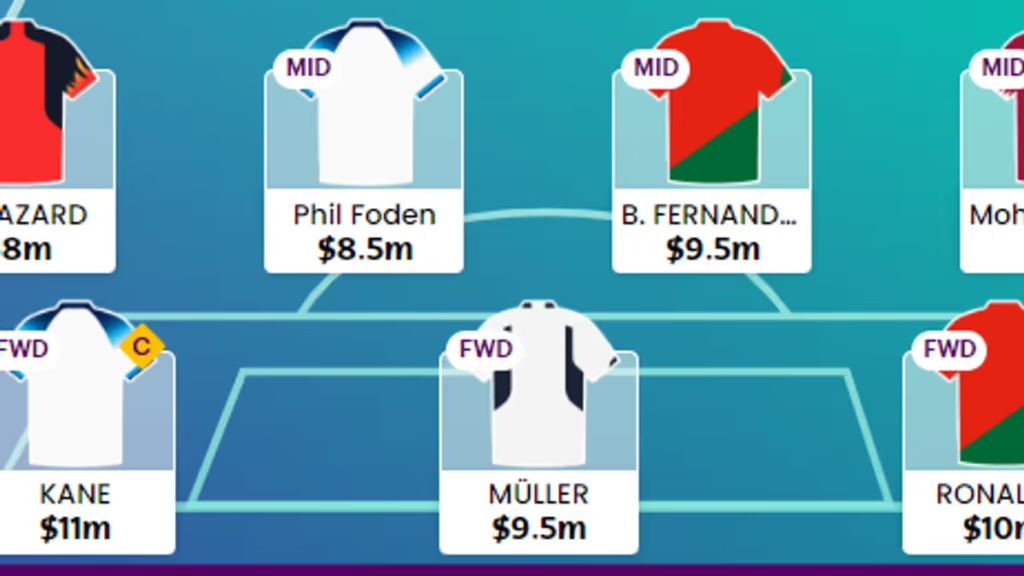
When you wake up on matchday, whether it’s a major league clash or a high‑profile international fixture, the first thing you want to see is Team Lineups & Match Previews. These elements aren’t just schedule details—they offer insight into strategy, player roles, tactical balance, and even the psychological battle between coaches before the whistle blows. As someone who has followed football, basketball, baseball, and other major sports for more than twenty years, I can confidently say that understanding team lineups and reading match previews deeply enriches your experience of sport. It transforms passive watching into informed anticipation.
In this comprehensive article, we go far beyond generic squad lists. You’ll get expert‑level breakdowns of how lineups shape game plans, why managers pick certain formations, how match previews influence betting markets and fantasy sports decisions, and what nuances smart fans should look for when evaluating upcoming fixtures.
Why Team Lineups & Match Previews Matter More Than You Think
At the most basic level, a lineup tells you who’s playing and who isn’t. But at a deeper level, a lineup communicates how a coach wants to win. A striker’s inclusion can signal attacking intent; a defensive midfielder dropped could reveal a strategic gamble; a full‑back pushed high may indicate a plan to exploit width.
Match previews contextualize these lineups within broader narratives—current form, head‑to‑head history, injury lists, weather conditions, and even psychological factors like derby pressures or revenge motivations. For analysts, fantasy managers, and enthusiasts, combining lineups with insightful match previews paints a richer picture of what to expect and how the game might unfold.
Team Lineups & Match Previews: What They Reveal About Tactics
Formation Speaks Louder Than Roles
The first piece of a lineup is often the formation. Whether it’s 4‑3‑3, 3‑5‑2, or 4‑2‑3‑1, formations hint at playing philosophy. A 3‑5‑2 could signal control in midfield and use of wing‑backs to dominate flanks, while a 4‑2‑3‑1 might focus on transitional play and width through wingers.
Match previews often dissect these formations, assessing how a team might press, counter, or build. For example, a preview might highlight that a team struggling in central transition is choosing a 3‑4‑3 to bypass congested midfields and stretch opponents horizontally.
Player Roles Define Strategic Intent
Beyond the shape, individual roles matter. A classic example is the “false nine” in football—a forward who drops into midfield to create space, drag defenders out of position, and facilitate link‑up play. When a lineup lists a false nine, an astute match preview will note how this might disrupt opponent marking schemes, creating tactical dilemmas.
Similarly in basketball, seeing a “small ball” lineup in a preview signals a team prioritizing speed, spacing, and perimeter shooting over traditional size. In MLB, a lineup card that prioritizes left‑handed bats early might reveal a strategy aimed at neutralizing a right‑handed starter.
Interpreting Absences: When Missing Players Matter Most
One of the most overlooked aspects of Team Lineups & Match Previews is what isn’t in the lineup.
Impact of Key Player Absences
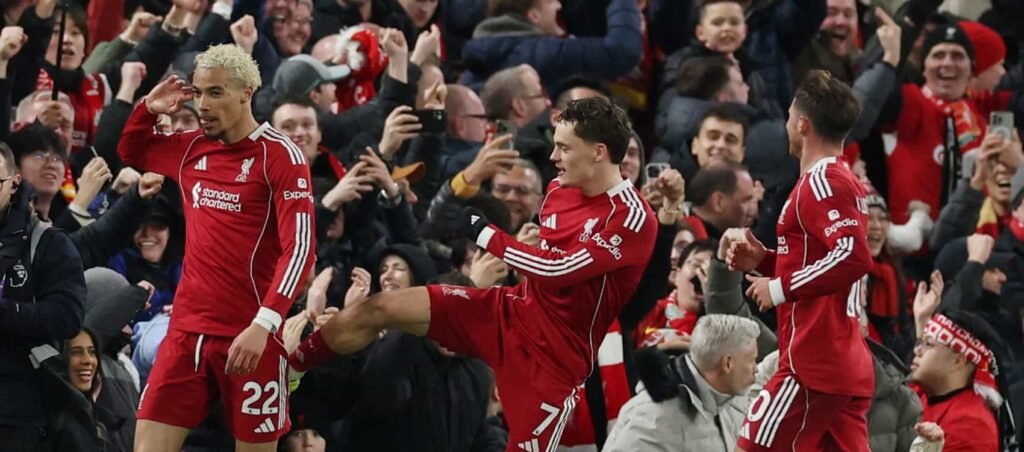
A missing captain, midfielder, or ace striker doesn’t just reduce firepower—it often alters team identity. When a team like Barcelona or Real Madrid announces a game without key midfield anchors, match previews must assess how balance, tempo control, and defensive discipline shift.
Similarly, in the NBA, when an All‑Star is out, previews should analyze not only who replaces them but how that changes offensive and defensive schemes. A lineup missing a primary ball‑handler can turn a high‑tempo offense into one leaning on isolation plays or secondary creation.
Injuries and Fatigue: Early or Late Season?
Lineups often reflect not just coach preference but player wellness. A coach resting players ahead of European knockout fixtures or conserving legs for playoffs shows strategic prioritization that savvy fans will recognize in match previews. These narratives help frame expectations—sometimes forecasting lower scoring, tactical conservatism, or reliance on young talents.
Tactical Match Previews: More Than Just Predictions
A quality match preview doesn’t pick a winner and leave it at that; it builds a narrative.
Current Form Context
Modern match previews analyze the last five to ten games for both teams, considering metrics such as expected goals (xG), defensive errors leading to shots, and pressing efficiency. In football, a team in blistering form with high xG numbers might be pegged as clear favorites. But a deeper preview would also assess opposition strength, travel schedules, and psychological momentum—factors that raw results don’t fully capture.
Head‑to‑Head Nuances
Some teams consistently outperform certain opponents due to stylistic advantages. For example, a tactically disciplined side might historically stifle teams that rely on wide play or vertical transitions. Incorporating head‑to‑head trends into match previews helps fans see beyond abstract rankings and appreciate stylistic matchups.
The Psychological Edge: Confidence, Rivalries, and Pressure Games
Team Lineups & Match Previews should always consider the mental landscape of a fixture.
High‑Pressure Matches and Derby Context
When teams clash in local derbies or historic rivalries, player psychology often becomes as decisive as tactics. Lineups in these games can include more seasoned veterans entrusted with calming volatile moments, or attacking flair players brought in to seize momentum.
Match previews in these contexts dive into rivalry history, previous incidents that shaped expectations, and how crowd behavior might influence player performance.
Motivation and Consequences
For teams playing with something to lose—whether it’s relegation avoidance or playoff qualification—the intensity reflected in both lineups and previews changes dramatically. A squad might field a more conservative lineup to avoid early mistakes, or a coach might gamble with an aggressive approach in a “must‑win” scenario.
Capturing these psychological stakes elevates a match preview from superficial prediction to strategic storytelling.
Fantasy Sports and Betting: Using Lineups & Previews Strategically
For fantasy managers and bettors, Team Lineups & Match Previews are currency. Blind enthusiasm isn’t enough; predictive modeling, injury assessments, and role expectations drive decisions.
Fantasy Formations and Player Value
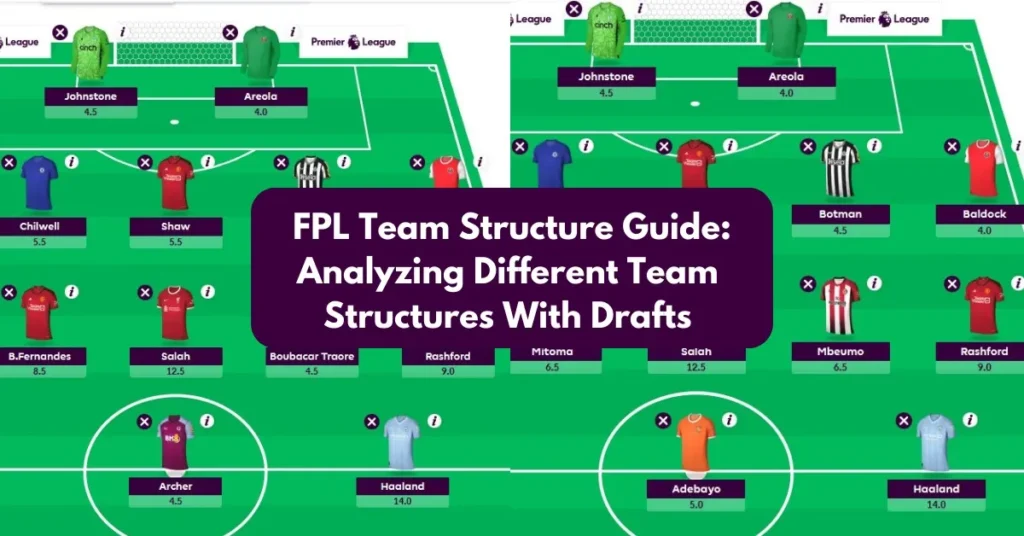
Knowing that a key midfielder or striker is starting can significantly influence fantasy picks. A lineup that emphasizes wing play suggests higher assist potential for full‑backs and wingers. Meanwhile, defensive lineups in baseball or basketball could alter point projections and clean sheet probabilities.
Match previews that integrate advanced stats—such as scoring efficiency, defensive stop rates, or heat maps—assist fantasy managers in building rosters optimized for expected realities.
Betting Markets and Odds Shifts
In betting markets, late lineup announcements often shift odds dramatically. A missing defensive stalwart or a surprise tactical shift affects expected goals, total goals markets, and even handicap bets.
Quality previews interpret lineup changes with context—assessing how such shifts alter game probabilities rather than just confirming a superficial “star out” narrative.
Examples of Recent Team Lineups & Match Previews That Influenced Outcomes
To illustrate how impactful these insights can be, consider a few recent case studies:
Premier League: A Tactical Underdog Triumph
In a recent EPL fixture, an underdog team announced a lineup with an unusually high number of attacking midfielders, deviating from their usual conservative shape. Match previews noted this aggressive posture, predicting a high‑tempo game rather than the expected defensive draw. The result was a surprise upset with multiple goals, validating analysts who dug into the lineup nuance rather than simply trusting form tables.
NBA: Load Management and Playoff Positioning
In the NBA, a marquee matchup saw a defending champion rest its starting point guard due to strategic load management. Early lineups released before the game sparked a nuanced preview that suggested adjustments in offensive tempo and defensive rotations. Though casual fans expected a straightforward win, the deeper preview forecasted a tightly contested game, which played out as described.
These examples show that when match previews interpret lineups thoughtfully, fans and analysts alike gain predictive edge and richer narratives.
How Coaches Use Lineups to Send Messages
Lineups aren’t only tactical—they’re symbolic.
Choosing Youth in High Stakes Matches
When a coach selects young players in key matches, it often reflects confidence in developmental pathways or a strategic pivot toward long‑term identity. Previews that highlight these choices—especially in contrast to benching veterans—help fans understand organizational philosophy.
Rotation in Congested Schedules
During periods of fixture congestion, especially in leagues running domestic and continental schedules concurrently, coaches use rotation to preserve fitness. A lineup heavy with rotation players might yield a cautious preview that points to possible instability or opportunity for oppositions.
Good match previews interpret rotation not as weakness but as strategic resource management—contextualizing why a lineup looks the way it does.
Technology, Analytics, and Enhanced Match Previews
Today’s Team Lineups & Match Previews leverage data analytics in ways unthinkable a decade ago. Beyond formations and player lists, previews now integrate:
- Expected Goals (xG) and Expected Assists (xA) to evaluate scoring chances.
- Pressing Efficiency Metrics in football and basketball analytics.
- Pitch Maps and Player Heat Maps to visualize spatial patterns.
- Sabermetrics in baseball to gauge lineup productivity.
For fans who appreciate the modern analytical era, combining refined data with contextual narrative makes match previews far more insightful and predictive.
Common Mistakes in Reading Lineups and Previews
Even experienced fans can fall into traps when interpreting previews:
Overvaluing Star Power Alone
A standout player doesn’t guarantee victory. Strong previews factor in how a lineup integrates star talent within a coherent system—sometimes a top scorer struggles without supply because the tactical setup constrains them.
Ignoring Opponent Style Matchups
A lineup might look strong on paper, but if it mismatches stylistically with the opponent, performance can falter. Previews that analyze stylistic clashes—like a possession‑heavy side versus a lethal counterattacking team—are far more valuable.
Neglecting Game Context
Fixture congestion, weather, travel, and psychological stakes all influence match day performance. Previews that fold these context layers into lineup analysis paint a true match landscape that simple stats overlook.
Closing Thoughts: Elevating Your Matchday Experience
Team Lineups & Match Previews are more than information—they are lenses that help us understand why sport unfolds the way it does. Rather than simply eyeballing a scoreline after the whistle, learning to interpret lineups and integrate deep preview narratives gives you insight into the why and how behind every performance.
From tactical balance and psychological nuance to rotation, data analysis, and strategic messaging, today’s match previews are multifaceted works of storytelling—fueled by information, anchored in context, and experienced through the lens of analytical insight.
So the next time you see an early lineup leak or an in‑depth preview published ahead of kick‑off or tip‑off, take a moment to appreciate not just the names and figures, but the narrative architecture beneath them. That’s where true understanding—beyond results—comes to life.
Find more helpful guides on Crunchy Greens at tophillsportcom.