
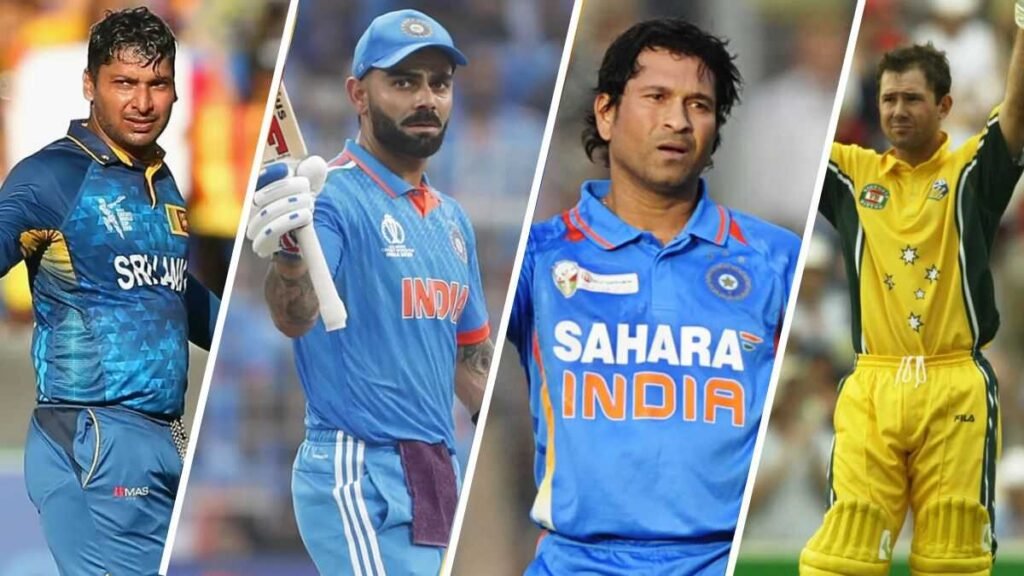
Few debates in the cricketing world are as enduring—or as passionately argued—as ODI vs Test Cricket – Which Is Better? I’ve sat in press boxes, living rooms, and noisy cafés listening to this exact question spark heated discussions between former players, analysts, and lifelong fans. Some swear by the purity and patience of Test cricket. Others insist that One Day Internationals (ODIs) strike the perfect balance between endurance and entertainment.
Having followed international cricket for more than two decades—across continents, formats, and generations—I’ve come to appreciate that this debate isn’t about declaring a winner. It’s about understanding what each format represents, how they evolved, and why both continue to shape the modern game in profound ways.
In this comprehensive guide, I’ll break down the tactical depth, historical importance, player skill requirements, fan engagement, and global impact of both formats. If you’re genuinely curious about ODI vs Test Cricket – Which Is Better?, this deep dive will give you clarity beyond surface-level arguments.
The Origins: How Test and ODI Cricket Evolved
To evaluate ODI vs Test Cricket – Which Is Better?, we must first understand their foundations.
Test cricket, first played in 1877, represents the original form of the game. It is played over five days, with two innings per side, and is widely considered the ultimate test of a cricketer’s technique, temperament, and endurance. The format has produced legendary rivalries such as The Ashes between the England national cricket team and the Australia national cricket team, which have defined cricket history for more than a century.
ODI cricket emerged much later. The first official One Day International was played in 1971, but the format gained global prominence with the inaugural Cricket World Cup in 1975. Unlike Tests, ODIs are limited to 50 overs per side, typically completed within a single day.
The introduction of colored clothing, white balls, and day-night matches modernized the sport and broadened its appeal. The 2019 Cricket World Cup Final, for example, showcased the drama and spectacle that ODI cricket can deliver at its peak.
Understanding these origins helps frame the debate properly. Test cricket is tradition and endurance. ODI cricket is strategy compressed into a single narrative arc.
ODI vs Test Cricket – Which Is Better for Skill Development?
One of the most important angles in this debate is skill.
Test cricket demands technical precision. Batters must defend against high-quality bowling for extended periods, often in challenging conditions. A Test century is revered because it requires patience, shot selection discipline, and mental resilience. Bowlers must sustain line and length over long spells, exploiting subtle changes in pitch behavior.
In my experience watching players transition between formats, it’s clear that Test cricket exposes technical flaws quickly. Poor footwork, loose shot selection, or mental lapses are punished over five days.
ODIs, however, require a different skill set. Batters must pace innings strategically—balancing caution with acceleration. Field restrictions in powerplays demand calculated aggression. Bowlers need variations: slower balls, yorkers, cutters. Captains must manage resources with limited overs.
If the question is which format produces technically complete players, Test cricket often has the edge. But if the question is which format fosters adaptability and tactical innovation, ODI cricket makes a compelling case.
The answer depends on how one defines “better.”
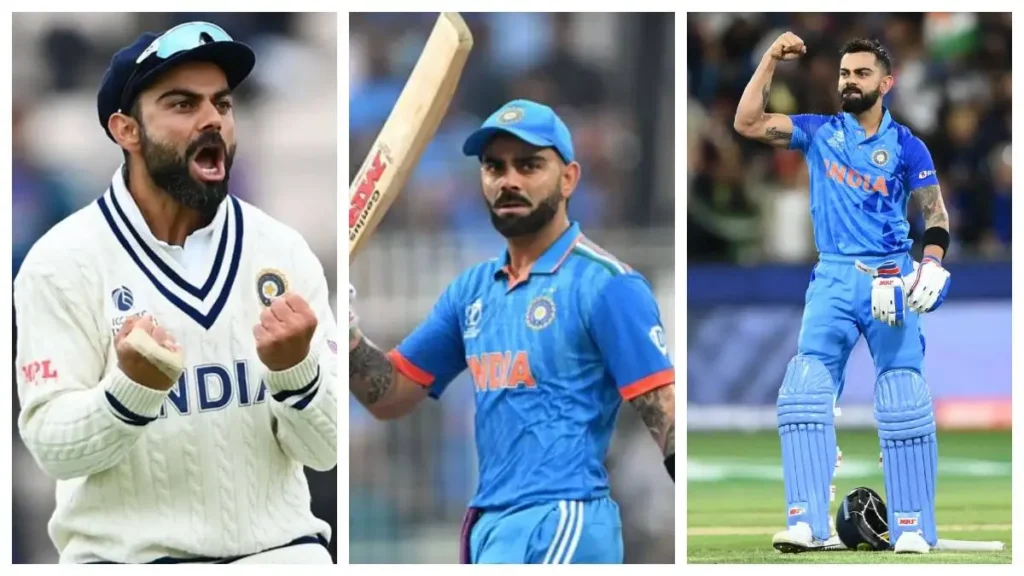
ODI vs Test Cricket – Which Is Better for Fans?
From a spectator’s perspective, accessibility matters.
Test matches span five days, requiring sustained commitment from fans. While purists relish the evolving narratives of a drawn-out contest, casual viewers may struggle with the time investment.
ODIs offer a self-contained experience. You can watch an entire match unfold in one day, complete with strategic shifts, middle-over consolidation, and late-innings fireworks. For modern audiences balancing busy schedules, this format aligns more conveniently with lifestyle demands.
I’ve personally experienced both atmospheres. The gradual crescendo of a tight Test match on day five, with fielders crowding the bat and tension thick in the air, is unmatched. Yet the electric intensity of a World Cup ODI, where every over feels consequential, carries its own magic.
In terms of global viewership, ODIs historically expanded cricket’s reach. The 50-over World Cup became one of the most watched sporting events worldwide. That global impact cannot be dismissed in the ODI vs Test Cricket – Which Is Better? conversation.
Tactical Complexity: A Deeper Comparison
Test cricket’s strategy unfolds slowly. Pitch conditions change over days. Weather interruptions alter momentum. Captains must anticipate deterioration and manage bowling workloads accordingly. Declarations add another strategic layer, forcing calculated risks.
ODIs compress tactical decisions. Field placements evolve within strict over limits. Powerplays influence momentum. Batters must constantly calculate risk versus reward based on required run rate.
In Tests, patience is a weapon. In ODIs, tempo control is crucial.
I’ve often found that casual observers underestimate ODI strategy. Building a competitive 50-over innings requires nuanced pacing. Teams that accelerate too early risk collapse. Those that wait too long may fall short.
Both formats are strategic, but their time horizons differ. Test cricket is a marathon chess match. ODI cricket is a dynamic negotiation between risk and restraint.
The Mental Challenge
Cricket is as much mental as physical.
Test cricket tests concentration like no other format. Batters may face 200 deliveries. Bowlers may grind through long spells with minimal reward. Mental fatigue can derail even the most technically sound player.
ODIs demand situational awareness. A single poor over can shift momentum dramatically. The mental shift between defense and aggression must be instantaneous.
Having observed players at different career stages, I’ve noticed that mental adaptability often determines longevity. Players who thrive in Tests tend to value patience. Those who excel in ODIs embrace calculated boldness.
When asking ODI vs Test Cricket – Which Is Better?, mental challenge must be part of the evaluation. Both formats stretch psychological limits in distinct ways.
Physical Demands and Fitness Evolution
Test cricket requires endurance. Five consecutive days in varying climates demand stamina and recovery discipline. Fast bowlers, in particular, face intense workload management challenges.
ODIs emphasize athleticism and explosive fitness. Fielding standards are exceptionally high. Boundary-saving dives, quick singles, and power hitting require peak physical conditioning.
Modern players train year-round to handle all formats, but historically, Test cricket was considered the ultimate physical test. Today, ODI cricket’s pace and athletic demands rival that perception.
The evolution of sports science has blurred distinctions, yet workload remains a pressing concern in international scheduling.
Read Also: Cricket Records That May Never Break
Historical Significance and Legacy
Test cricket carries historical gravitas. Records in the longest format often define greatness. Legendary performances—such as epic fourth-innings chases or marathon double centuries—are etched deeply into cricket folklore.
ODIs, however, shaped cricket’s global commercialization. World Cup tournaments elevated players into global icons. Nations without strong Test traditions found competitive identity in 50-over cricket.
For example, teams like the Sri Lanka national cricket team built a formidable reputation through ODI success in the 1990s.
When evaluating legacy, Test cricket arguably defines individual greatness, while ODIs define collective global moments.
Format Influence on Modern Cricket
Interestingly, the debate between ODI and Test cricket has evolved in recent years due to the rise of T20 cricket. Both formats have adapted.
Test teams now score faster, embracing positive intent. ODI teams push scoring rates higher than ever before. The cross-pollination of strategies demonstrates cricket’s adaptability.
Yet despite external influences, the core identities remain intact. Test cricket prioritizes endurance and narrative depth. ODIs prioritize balance and accessibility.
The ODI vs Test Cricket – Which Is Better? debate persists because both formats continue to evolve rather than stagnate.
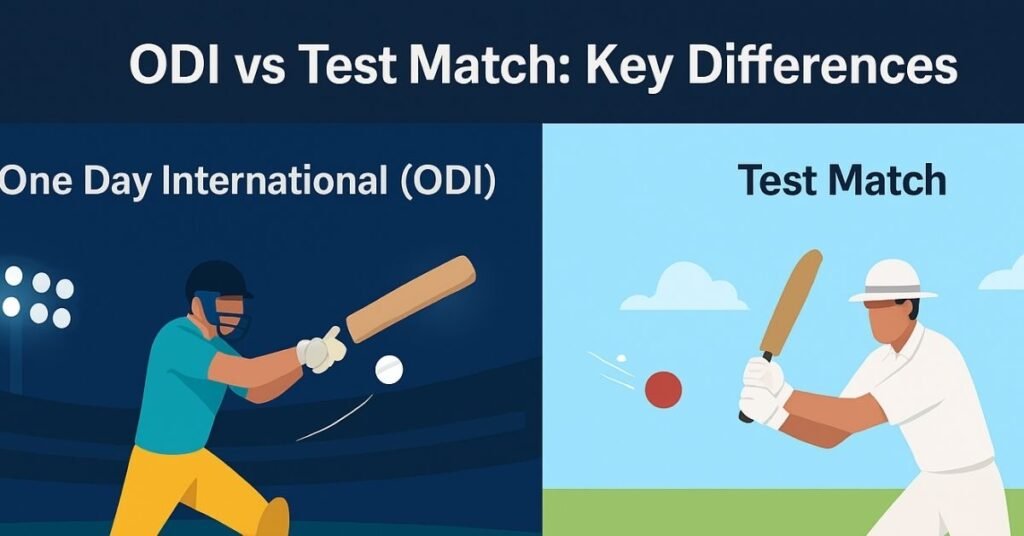
Personal Perspective: Choosing Between Heart and Head
When I’m asked which I prefer, my answer often depends on context.
If I want immersion, subtlety, and unfolding drama, I choose Test cricket. Watching a batter grind through difficult conditions for hours offers profound appreciation of skill.
If I want high stakes compressed into a single day, especially in global tournaments, I choose ODIs. The rhythm of a 50-over chase—powerplay, middle overs, final assault—creates narrative clarity.
The truth is, cricket’s richness lies in its diversity of formats. Removing either would diminish the sport’s identity.
Final Verdict: ODI vs Test Cricket – Which Is Better?
After decades of watching, analyzing, and debating, my conclusion is nuanced.
Test cricket remains the ultimate examination of technique, temperament, and tradition. It preserves the sport’s heritage and produces the most comprehensive individual assessments.
ODI cricket, however, revolutionized global engagement, balancing strategy with spectacle. It democratized cricket’s reach and created some of the most unforgettable moments in sporting history.
So, ODI vs Test Cricket – Which Is Better? The honest answer is that “better” depends on what you value most in cricket.
If you value endurance, history, and the slow burn of tension, Test cricket stands supreme.
If you value accessibility, strategic pacing, and one-day narrative intensity, ODIs deliver unmatched balance.
As someone deeply invested in the game’s past, present, and future, I believe cricket is strongest when both formats thrive. They challenge players differently, engage fans uniquely, and together preserve the sport’s multidimensional beauty.
In the end, the debate itself is proof of cricket’s richness. And perhaps that’s the most satisfying answer of all.
Find more helpful guides on Crunchy Greens at tophillsportcom.