
In the high‑octane world of competitive sports, controversy is almost as inevitable as victory and defeat. Yet the Major Controversies in Sports Recently go far beyond isolated disputes—they reflect deeper questions about fairness, governance, integrity, and the very values that underpin competitive athletics. Whether it’s allegations of unethical behavior, questionable officiating, doping scandals, governance shake‑ups, or politically charged moments that overshadow competition, these controversies shape public perception and fuel intense debate among fans, analysts, and athletes alike.
In this comprehensive article, I’ll break down the most significant sporting controversies from the past year, examining not only what happened but why these issues matter. Drawing on credible sources and recent news, this analysis aims to give readers a nuanced perspective on each major incident, grounded in journalistic reporting and backed by documented developments. We’ll look across multiple sports, including football (soccer), cricket, winter sports, cycling, MMA, and baseball, connecting the dots between isolated events and broader systemic challenges.
Here’s an in‑depth look at the Major Controversies in Sports Recently, unpacked with clarity, experience, and insight.
Olympic Scandals and Governance Questions at the Winter Games
One of the most talked‑about arenas for controversy has been the 2026 Winter Olympics in Milan‑Cortina. While the Olympics are typically celebrated for athletic excellence and international unity, recent events have raised serious questions about judging integrity, coaching influence, and athlete representation.
Judging and Scoring Disputes in Figure Skating
A flashpoint emerged in the figure skating ice dancing competition when the scoring by a French judge, Jézabel Dabois, generated widespread criticism for significant deviations from other judges’ scores—ultimately favoring the host nation’s competitors by a margin that sparked accusations of national bias and dysfunction in judging standards. This points not just to individual performance criteria but to possible structural weaknesses in how aesthetic sports enforce objectivity and fairness. (New York Post)
This wasn’t the only skating‑related storm. The presence of controversial Russian coach Eteri Tutberidze—linked to past doping scrutiny through her former skater Kamila Valieva—while her current trainee competed as a neutral athlete, reignited debates about whether historical associations should influence eligibility and credibility, even in the absence of current violations. (Reuters)
Together, these incidents expose the fragility of judging systems in subjective sports and suggest increased calls for transparency and reform in scoring methodologies at elite competitions.
Coaching Misconduct: Alcohol Incident Rocks Finland’s Ski Jump Team
Another Winter Olympics controversy involved the Finnish ski jumping coach, Igor Medved, who was sent home after violating team conduct rules with an alcohol‑related incident. While some may see this as a personal matter, the Finnish Olympic Committee’s strong response reflects broader expectations of professional conduct at major international events. (The Guardian)
This controversy raises important questions about team culture, leadership responsibility, and how national Olympic bodies safeguard athlete focus amid intense global scrutiny.
Football Controversies: Integrity, Betting, and Refereeing Scandals
Football’s global scale virtually guarantees high‑stakes disputes, and the Major Controversies in Sports Recently include one of the most serious integrity breaches in recent memory.
Turkish Football Betting Scandal Shocks Fans and Officials
Perhaps the most profound football controversy has emerged from Turkish professional leagues, where an internal audit revealed that hundreds of referees held and used betting accounts—a direct violation of FIFA and UEFA integrity codes. Over 500 figures, including club doctors and translators for top teams like Galatasaray and Fenerbahçe, were referred to disciplinary bodies for potential sanctions. The scandal has deeply shaken confidence in officiating and spurred calls for systemic reform to restore trust in competitive fairness. (Wikipedia)
This scandal illuminates how deeply embedded issues of integrity and financial temptation can infiltrate governance structures in professional sport. It also underscores the ongoing need for robust regulatory oversight and transparency in referee management across leagues.
Cricket’s Intense Rivalries and On‑Field Diplomacy Disputes
Cricket, especially in the heated subcontinental context, has seen several contentious episodes that have gone beyond the boundary ropes.
Asia Cup 2025: Handshake Dispute and Political Undertones
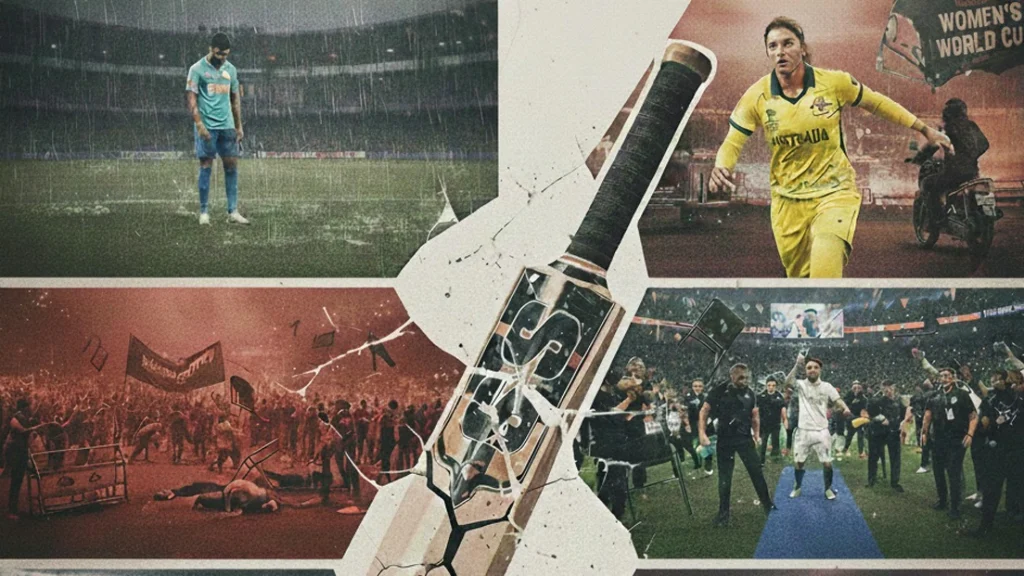
One of the most polarizing events in recent cricket history was the Asia Cup 2025, where arch‑rivals India and Pakistan engaged in multiple controversies around sportsmanship and gestures. Skipper Suryakumar Yadav’s refusal to engage in post‑match handshakes was interpreted by Pakistan’s cricket board as a violation of the “Spirit of Cricket,” leading to protests and acrimonious exchanges over the match officiating and protocols. (ABP Live)
In addition, provocative gestures from players on both sides—such as Haris Rauf and Sahibzada Farhan—ignited debate about the role of symbolism and respect in high‑profile matches, especially ones steeped in historical and geopolitical tension. (Gulf News)
Champions Trophy 2025: Technology Missteps, Hosting Challenges, and Behavioral Issues
The ICC Champions Trophy also generated controversy, notably when technological errors, incorrect national anthems, and broadcast inconsistencies marred the 2025 event. The tournament’s administrative and operational challenges brought into question the readiness and execution of key governance processes. (SportsTak)
These episodes highlight how even well‑established global events can be vulnerable to organizational shortcomings and how such failures can overshadow athletic achievement.
MMA and Combat Sports: Decision Controversies and Legacy Issues
In the world of mixed martial arts, controversies often arise from judging calls, and recent fights have reignited discussion about fairness and consistency in decision‑making.
UFC 324: Debate Over No‑Call and Dirty Moves
One recent high‑profile controversy involved the UFC 324 bout between Justin Gaethje and Paddy Pimblett, where fans and commentators heavily criticized officials for not making key calls that could have changed the fight outcome. This sparked a broader debate over officiating standards in MMA, with influential figures like Dave Portnoy publicly weighing in on the decision. (Newsweek)
Beyond this specific fight, MMA continues to grapple with inconsistencies in officiating and scoring that can profoundly affect fighters’ careers and title trajectories.
Legacy Concerns: Jon Jones and Personal Troubles
Controversy in MMA is not limited to in‑cage performances. Fighters such as Jon Jones have had careers marked by extraordinary achievement yet complicated by personal and legal issues, posing challenging questions about legacy, public image, and the sport’s relationship with superstar competitors’ off‑field conduct. (ESPN.com)
Baseball Governance Shake‑Ups: Power, Politics, and Player Rights
In North American sports, baseball’s labor and governance structures have faced recent upheaval:
Tony Clark Resigns Amid Investigation
Major League Baseball’s top players’ union experienced a seismic moment when Tony Clark, executive director of the MLB Players Association (MLBPA), resigned amid a federal investigation into alleged misconduct, including misuse of licensing funds and nepotism. The timing—amid looming collective bargaining negotiations—these developments could significantly influence labor relations, player salaries, and future lockout potential. (Reuters)
This controversy underscores how governance challenges at elite administrative levels can ripple throughout a sport’s ecosystem, affecting player sentiment, contract negotiations, and fan perceptions.
Read Also: Match Results & Weekly Roundup: Your Comprehensive Review of This Week’s Biggest Games
Doping and Integrity Issues: New Legal Actions and Broader Implications
Doping remains a core controversy across sports, with recent legal developments placing fresh scrutiny on athlete support structures:
Performance‑Enhancing Substances Case Involving Sprinter
Federal authorities recently indicted an individual alleged to have supplied banned performance‑enhancing substances to U.S. Olympic sprinter Marvin Bracy‑Williams—an athlete who previously faced a substantial doping ban. The case, which could result in significant prison time for the accused under the Rodchenkov Act, highlights intensified cooperation between anti‑doping agencies, the Department of Justice, and international sports bodies ahead of major competitions like the 2026 FIFA World Cup and 2028 Olympic Games. (AP News)
This controversy emphasizes how doping scandals aren’t just about athletes’ choices but often involve complex networks and support systems—a reality that sports integrity organizations continue to battle.
Officiating and Competition Management Controversies in Regional Games
Not all controversies arise on the biggest stages; some emerge in regional games with implications for fairness and athlete trust.
SEA Games 2025: Officiating Disputes and Hometown Decisions
The 2025 Southeast Asian (SEA) Games were marred by disputes surrounding officiating bias and controversial decisions. Coaches were accused of physically confronting judges, and national committees raised concerns over perceived “hometown decisions” in boxing and football matches without VAR support. These controversies highlight challenges in officiating infrastructure and fairness in multi‑sport regional competitions, where resources and institutional oversight vary widely. (Wikipedia)
Navigating Controversy: What Sports Can Learn
Analysing the Major Controversies in Sports Recently reveals patterns that transcend individual incidents:
- Structural Integrity Matters — Betting scandals and governance failures highlight the need for robust oversight across all levels of sport.
- Fairness in Competition — From officiating disputes to scoring controversies, consistent and transparent adjudication systems are essential for maintaining trust.
- Doping Enforcement Is Evolving — Cases involving banned substances increasingly involve legal action, illustrating how anti‑doping enforcement is intersecting with broader justice systems.
- Fan and Athlete Relations — Failed expectations in stadium management, handshake snubs, or riot‑linked disputes show how emotional stakes can overflow into controversy.
Each of these lessons underscores the continued importance of ethical governance, proactive rule enforcement, and clear communication to uphold sport’s values.
Conclusion: Why These Controversies Matter Beyond Headlines
Major controversies in sport are more than fleeting viral moments—they are reflections of the complex interplay between competition, governance, culture, and human behavior. While fans often remember the drama, it’s the underlying issues—questions of integrity, fairness, officiating credibility, and governance—that truly shape the trajectory of sport moving forward.
What unites the Major Controversies in Sports Recently is not just their capacity to dominate headlines, but the lessons they offer. They remind us that sport, in all its glory, exists within social systems that require ongoing vigilance, ethical leadership, and an unwavering commitment to fairness.
To truly appreciate sport—not just as entertainment but as a global institution—we need to confront controversies honestly, learn from missteps, and support reforms that ensure the next generation of athletes competes in environments worthy of their dedication.
Find more helpful guides on Crunchy Greens at tophillsportcom.