
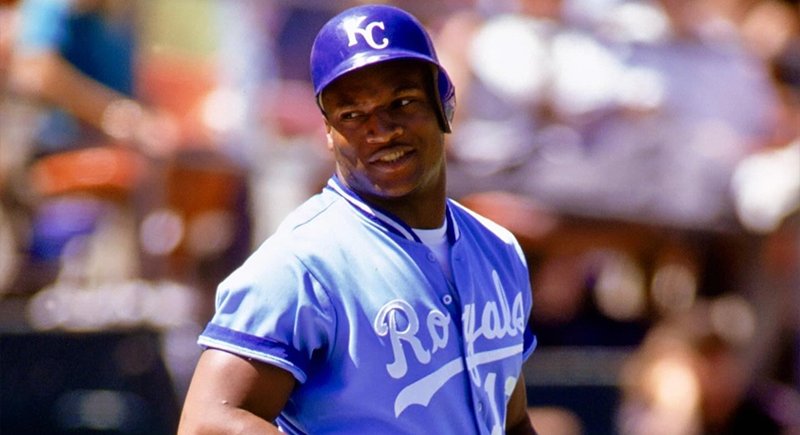
In sports, the term “legend” is reserved for those whose skill, charisma, and impact transcend the game itself. These are athletes whose names are etched into history, whose performances are replayed for generations, and whose influence shapes the future of their sport. Yet, some of these legends left the stage far earlier than fans and analysts expected. The world often wonders: what might have been if they had played just a few more seasons, broken a few more records, or led their teams to even greater heights? These are the Legends Who Retired Too Soon, and their stories are a mixture of brilliance, unfulfilled potential, and poignant reflection.
As someone who has followed sports across decades—from football and basketball to tennis, cricket, and athletics—I’ve observed that early retirement is rarely a simple choice. Behind each decision are complex factors: physical injuries, mental fatigue, personal priorities, or circumstances beyond the athlete’s control. In this article, we explore some of the most iconic athletes who left the spotlight prematurely, examining their careers, the reasons behind their early exits, and the enduring legacy they left behind.
The Phenomenon of Early Retirement
The sports world is filled with tales of athletes whose careers ended unexpectedly. While some retire to avoid physical decline, others step away while still at the top, often prioritizing family, personal health, or new opportunities. Fans are left with a bittersweet combination of admiration for what was achieved and speculation about what could have been.
Early retirement in elite sports is a multifaceted phenomenon. Physical injuries are an obvious factor, particularly in contact sports like football, rugby, and basketball. Mental burnout, which can be just as debilitating as physical strain, is increasingly recognized as a reason for early exits, especially in high-pressure environments with constant media scrutiny. Additionally, personal priorities—whether pursuing education, entrepreneurship, or family—play a role in prompting some of the world’s most talented athletes to leave before their apparent peak.
Football Icons Who Left Too Soon
Football is perhaps the sport where fans most acutely feel the pain of early retirements. The careers of some extraordinary players ended just as they were hitting their prime.
Marco van Basten
Dutch striker Marco van Basten is widely regarded as one of the greatest forwards of all time. Known for his incredible technique, aerial ability, and clinical finishing, Van Basten’s career was cut tragically short by persistent ankle injuries. By the age of 28, he had already retired from professional football, leaving fans to imagine how many more goals, trophies, and highlights he could have contributed. His brief but brilliant career remains a case study in talent hindered by physical fragility.
George Best
Another football legend, George Best, dazzled fans with his dribbling, vision, and flair. Despite a career filled with brilliance, Best retired prematurely from top-flight football, partially due to personal struggles and issues off the field. His story is a reminder that greatness can coexist with vulnerability, and that external pressures can dramatically shape an athlete’s career trajectory.
Ronaldo Nazário
Brazilian superstar Ronaldo Nazário, often called “The Phenomenon,” battled multiple knee injuries throughout his career. Despite winning World Cups and Ballon d’Or awards, Ronaldo’s prime years were disrupted by repeated injuries, forcing him to retire in his early 30s. Football enthusiasts still debate how much more he could have achieved had his body held up, making him one of the most iconic legends who retired too soon.
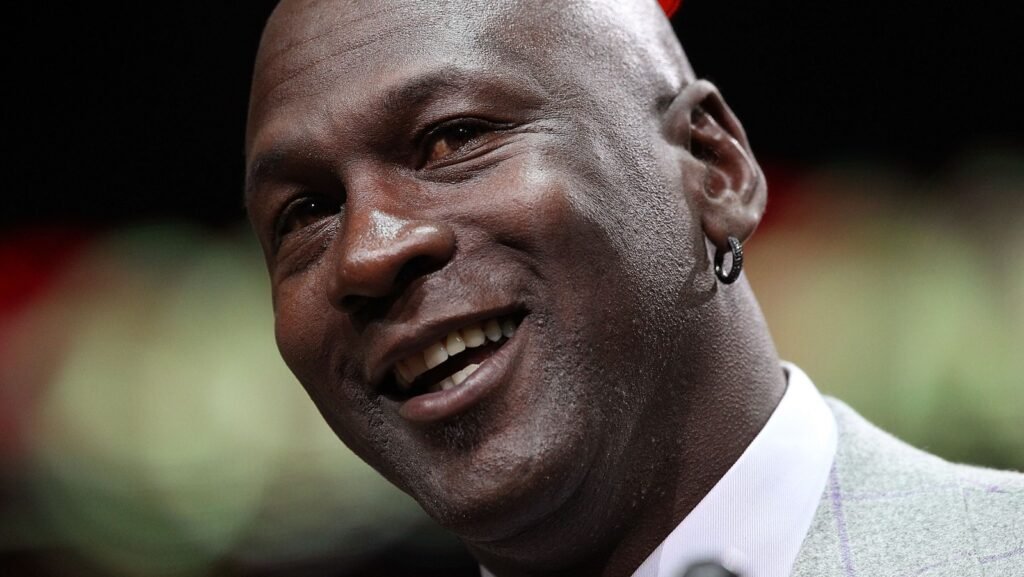
Tennis Legends: Masters Leaving the Court Early
Tennis is another sport where early retirements can leave lasting shockwaves. The physical and mental demands of constant travel, tournament schedules, and public scrutiny can accelerate burnout, even for the most talented athletes.
Justine Henin
Belgian tennis star Justine Henin retired in 2008 at just 25, despite being ranked world No. 1. Henin’s elegant playing style, exceptional backhand, and competitive spirit had already secured her multiple Grand Slam titles. Her early exit stunned fans, who felt her best years were still ahead. Henin eventually returned briefly before retiring permanently, but her early departure left the tennis world wondering what additional milestones she could have reached.
Björn Borg
Swedish icon Björn Borg retired at the age of 26 after winning 11 Grand Slam singles titles, including five consecutive Wimbledon championships. Borg cited mental fatigue as a primary reason for his decision. While he returned briefly to professional play, his permanent retirement cemented his status as one of the most enigmatic legends who retired too soon, leaving fans to speculate about the records he might have shattered with a longer career.
Basketball Legends Stepping Away Early
The NBA has also witnessed athletes leave the game earlier than expected, often due to injuries or personal reasons.
Brandon Roy
entity[“athlete”,”Brandon Roy”,”american basketball player”], an electrifying shooting guard, retired at the age of 27 due to chronic knee problems. Roy’s combination of skill, leadership, and clutch performance had made him one of the league’s brightest stars. His early exit remains a poignant example of potential curtailed by physical limitations.
Magic Johnson (First Retirement)
While Magic Johnson returned later, his first retirement in 1991 shocked the basketball world. Johnson’s announcement came after his HIV diagnosis, a life-altering revelation that forced him to step away while still performing at an elite level. Though he later made a brief comeback, the initial retirement marked the premature end of a peak period in his career.
Cricket Legends Who Left Fans Wanting More
Cricket has its share of prodigious talents who retired before many expected, leaving fans pondering untapped potential.
Sachin Tendulkar’s Contemporaries
While Sachin Tendulkar enjoyed a long career, several contemporaries retired early due to injuries or personal reasons, including promising players whose statistics suggested they could have achieved records rivaling the greats. Early retirements in cricket are often linked to physical strain, long tours, and the mental pressure of international competition.
Shane Warne’s Brief Resurgence
Australian spinner Shane Warne remained active late into his career, but his periods of stepping away or interruptions due to personal reasons highlighted how external factors can accelerate the perception of retirement. Warne’s brilliance on the field reminded fans that even legends with lengthy careers might have reached even greater heights under uninterrupted circumstances.
Read Also: From Poverty to Stardom – Inspiring Athlete Stories
Factors Behind Early Retirement
Across sports, several common factors emerge when analyzing why legends retired too soon:
- Physical Injuries – Chronic or career-threatening injuries are a leading cause, particularly in high-impact or endurance sports.
- Mental Burnout – The pressures of professional sports, media scrutiny, and constant travel can lead to mental fatigue, prompting athletes to step away.
- Personal Priorities – Family, health, or alternative career opportunities often influence the decision to retire early.
- External Circumstances – Political, social, or organizational pressures can sometimes force athletes to leave prematurely.
Understanding these factors provides insight into the complexities of professional sports and the human element behind legendary performances.
The Legacy of Early Retirees
Although these athletes left the field earlier than expected, their impact remains monumental. Early retirement often preserves a legacy untainted by decline, ensuring that fans remember them at their peak. The combination of brilliance and brevity can even elevate an athlete’s mythos, making them immortalized not only for what they did but for the tantalizing question of what could have been.
Legends like Marco van Basten, George Best, Justine Henin, and Brandon Roy are celebrated not just for their statistical accomplishments but for their aura, influence on future generations, and the unforgettable moments they created in their respective sports. Their stories continue to inspire athletes, demonstrating that even a shortened career can leave an indelible mark on history.
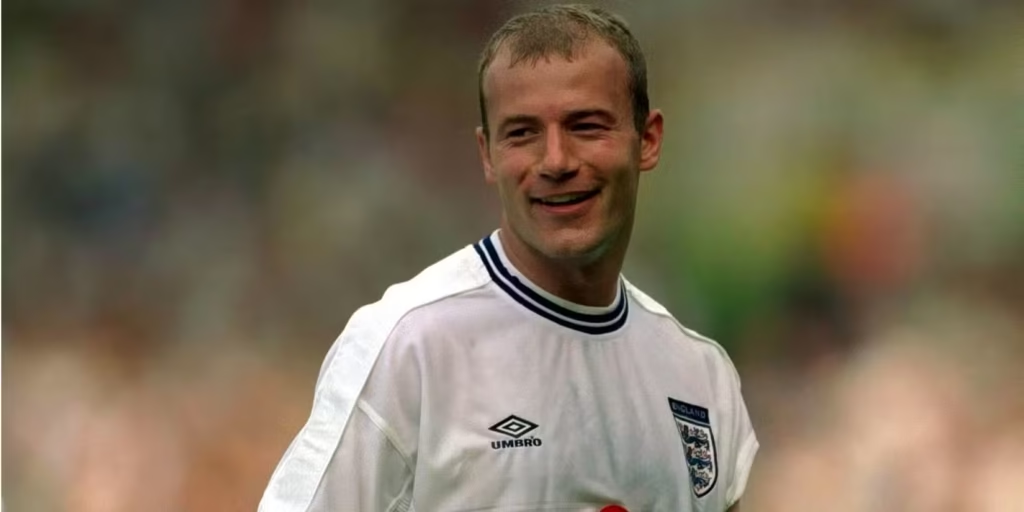
Lessons From Legends Who Retired Too Soon
Examining the careers of athletes who stepped away early reveals valuable lessons:
- Maximize the present – Every performance matters, as the future is uncertain.
- Balance is critical – Prioritizing health, both physical and mental, ensures longevity and quality of life.
- Legacy is about impact, not duration – Influence, inspiration, and performance often outweigh the length of a career.
- Support systems matter – Coaches, family, and mentors are crucial in managing the pressures of professional sports.
These lessons apply not only to aspiring athletes but also to anyone seeking to make the most of their potential, emphasizing the importance of mindful decision-making and prioritizing well-being alongside achievement.
Conclusion
The stories of Legends Who Retired Too Soon offer a unique perspective on sports. While fans may lament the lost potential and unfinished chapters, these athletes demonstrate that greatness is not defined solely by longevity but by the intensity, brilliance, and impact of what is achieved. From football icons like Marco van Basten and George Best, to tennis stars such as Justine Henin and Björn Borg, and basketball phenoms like Brandon Roy, each story is a testament to extraordinary talent, resilience, and the human dimension behind elite performance.
Early retirement may leave lingering “what if” questions, but it also highlights the courage required to make difficult decisions, preserve health, and pursue personal priorities beyond sport. These athletes inspire admiration not only for their skills but for their choices, reminding us that a career is as much about quality as quantity.
In celebrating legends who retired too soon, we honor their achievements, reflect on their potential, and draw lessons that transcend sport: that brilliance, courage, and legacy are often measured not in years, but in the moments and impact that endure long after the final whistle, serve, or goal. These stories remain timeless, ensuring that even shortened careers can inspire generations of fans and athletes alike.
Find more helpful guides on Crunchy Greens at tophillsportcom.