
Cricket has never stood still, but no format has disrupted, energized, and redefined the sport quite like Twenty20. I grew up in an era when Test cricket was considered the ultimate examination and One Day Internationals were the flashy younger sibling. Then, in the mid-2000s, T20 arrived—and within a decade, the sport felt almost unrecognizable.
When people ask me, “How T20 Changed Modern Cricket,” they often expect a simple answer about faster scoring rates or bigger sixes. But the reality is far more profound. T20 didn’t just shorten the game; it reshaped tactics, fitness standards, financial structures, global expansion, fan engagement, and even how young cricketers are trained from childhood.
This is not just a surface-level overview. It’s a deep dive into the tactical, economic, and cultural transformation of cricket through the T20 revolution—grounded in lived experience, historical analysis, and expert insight.
The Birth of a Revolution: Where It All Began
To understand how T20 changed modern cricket, we need to revisit its origins. The format was first introduced in England in 2003 as a domestic experiment designed to attract new audiences. Few could have predicted the scale of its impact.
The turning point came with the inaugural global tournament, the 2007 ICC World Twenty20 in South Africa. What was initially viewed as a novelty became a phenomenon. Packed stadiums, thrilling finishes, and global television audiences signaled that cricket had entered a new era.
The final between India national cricket team and Pakistan national cricket team was not just a spectacle—it was a cultural moment. The success of that tournament laid the foundation for franchise leagues, most notably the Indian Premier League in 2008, which became cricket’s financial powerhouse.
Looking back, that tournament wasn’t just entertaining. It marked the beginning of cricket’s most transformative chapter.
How T20 Changed Modern Cricket: The Tactical Evolution
Aggression Became the Default Setting
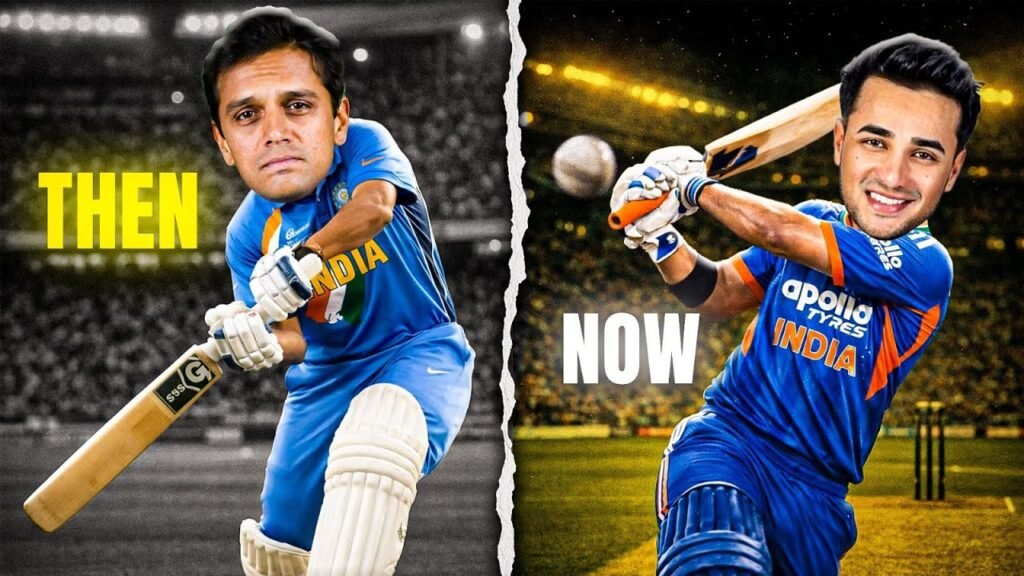
Before T20, attacking cricket was situational. In Tests, patience ruled. In ODIs, teams built innings gradually before accelerating late. T20 flipped that logic.
From ball one, aggression became mandatory. Powerplay overs forced attacking field restrictions. Batters began innovating—scoops, ramps, reverse sweeps—shots once considered reckless became essential.
This mindset soon seeped into other formats. ODI scoring rates increased dramatically. Even Test cricket embraced faster run rates and positive intent. Modern teams aim to dominate sessions rather than survive them.
As someone who has watched cricket across eras, the shift is unmistakable. The defensive orthodoxy of the 1990s would struggle in today’s environment.
Data Analytics and Matchups Took Center Stage
T20 accelerated cricket’s embrace of analytics. Matchups became strategic weapons. Teams began selecting bowlers based on specific batter weaknesses rather than general skill sets.
Franchises invested in performance analysts, sports scientists, and video technology. Data-driven strategies, once peripheral, became central to decision-making.
Today, captains consult dugouts for bowling changes based on micro-matchups. This analytical culture originated in T20 leagues and filtered upward into international cricket.
How T20 Changed Modern Cricket Economically
The Rise of Franchise Cricket
The launch of the Indian Premier League redefined cricket’s financial landscape. Player auctions introduced unprecedented salaries. International stars and domestic talents shared dressing rooms. Commercial revenue exploded through broadcasting deals and sponsorships.
Soon, other leagues emerged: Australia’s Big Bash League, the Caribbean Premier League, and The Hundred in England. Cricket became a year-round global circuit.
This commercialization brought both opportunity and tension. Players now balance national commitments with lucrative franchise contracts. Cricket boards navigate scheduling conflicts. Yet the financial stability provided by T20 leagues has strengthened infrastructure in many cricketing nations.
From grassroots academies to advanced training facilities, T20 revenue has funded development programs that were previously unimaginable.
Financial Security for Players
Before T20 leagues, only a handful of international stars earned substantial incomes. Today, domestic players can build viable careers through franchise contracts.
This democratization of earnings has expanded cricket’s talent pool. Young athletes see cricket as a financially sustainable path, not a gamble.
In conversations with coaches and former professionals, one theme emerges consistently: T20 gave cricketers economic leverage and bargaining power they never previously possessed.
How T20 Changed Modern Cricket’s Skill Set
The All-Round Athlete Emerged
Modern cricketers are fitter, faster, and more versatile. T20’s intensity demands explosive power, agility, and fielding excellence.
Gone are the days when a specialist fielder was optional. In T20, every run saved matters. Boundary riders practice acrobatic catches and relay throws. Direct hits are rehearsed relentlessly.
Strength training, sprint conditioning, and workload management have become standard. Sports science departments, once rare, are now embedded in professional setups.
The physical transformation of players over the last 15 years mirrors T20’s demands.
Bowling Became an Art of Variation
Critics initially claimed T20 would destroy bowling. Instead, it reinvented it.
Death bowling evolved into a specialized craft. Yorkers, slower balls, knuckleballs, and wide lines outside off stump became essential tools.
Spinners adapted too. Mystery spinners emerged, disguising variations under pressure. Tactical changes such as bowling into the pitch or altering pace mid-over became routine.
The format forced bowlers to innovate or fade away. That innovation strengthened bowling depth across all formats.
How T20 Changed Modern Cricket Globally
Expansion Beyond Traditional Powerhouses
T20 lowered barriers to entry for emerging cricket nations. Shorter games require fewer resources, smaller talent pools, and generate quicker audience engagement.
Associates have competed fiercely in T20 World Cups, challenging established teams. The format’s accessibility has broadened cricket’s geographic footprint.
Countries that struggled in Tests have found competitive footing in T20, strengthening the sport’s global appeal.
New Audiences and Younger Fans
One cannot overstate T20’s role in attracting younger audiences. The three-hour format aligns with modern attention spans. Evening matches, music, entertainment, and vibrant branding make cricket accessible to new fans.
Families attend matches more frequently. Social media engagement has surged. Highlights circulate instantly across platforms.
Traditionalists once feared that T20 would erode cricket’s core values. Instead, it expanded the fan base while keeping the longer formats alive.
The Impact on Test and ODI Cricket
ODI Cricket’s Reinvention
One Day Internationals faced an identity crisis in the early 2010s. T20’s explosiveness made 50-over cricket appear slow.
In response, ODI cricket evolved. Batters attack earlier. Teams regularly score 300-plus totals. Strike rotation and boundary-hitting are prioritized from the outset.
The strategic pacing of ODIs today reflects T20’s aggressive blueprint.
Test Cricket’s Unexpected Renaissance
Ironically, T20 may have revitalized Test cricket. The injection of attacking intent made Tests more result-oriented.
Teams pursue victories rather than safe draws. Scoring rates have climbed. Captains declare boldly. Batters adopt positive approaches even in red-ball cricket.
Watching modern Test matches, I see clear traces of T20’s influence in the tempo and confidence of strokeplay.
Read Also: Most Dangerous Bowlers Right Now
Cultural Shifts: How T20 Changed Modern Cricket’s Identity
Celebrity and Branding
T20 transformed cricketers into global brands. Endorsements, social media presence, and franchise loyalty expanded players’ public identities.
Leagues built narratives around rivalries and personalities, blending sport and entertainment seamlessly.
This branding brought cricket closer to mainstream global sports culture.
The Debate: Purity vs Progress
No discussion of how T20 changed modern cricket is complete without acknowledging criticism. Some argue that technique has declined. Others worry about calendar congestion and player burnout.
These concerns are valid. Scheduling conflicts between international tours and franchise leagues continue to challenge administrators.
Yet evolution is inherent to sport. Cricket has adapted repeatedly—from timeless Tests to ODIs, from white clothing to colored kits. T20 is simply the most dramatic chapter in that evolution.

The Future: Where Does Cricket Go From Here?
As we look ahead, the balance between formats will remain central. Boards must protect Test cricket while embracing T20’s commercial strength.
Hybrid scheduling models, workload monitoring, and equitable revenue distribution will shape the next decade.
From a developmental perspective, academies now train young players with T20 skills alongside traditional techniques. Innovation will continue, but foundational skills remain critical.
The conversation is no longer whether T20 belongs. It is how cricket harmonizes its formats sustainably.
Final Reflections on How T20 Changed Modern Cricket
Having watched cricket before and after T20’s rise, I can say this transformation has been both disruptive and exhilarating.
T20 accelerated scoring rates, revolutionized tactics, empowered players financially, globalized the sport, and reshaped fan engagement. It forced innovation across batting, bowling, fielding, and fitness.
More importantly, it ensured cricket remained relevant in an era of fragmented entertainment.
“How T20 Changed Modern Cricket” is not just a question about format length. It’s about how a three-hour game reengineered a century-old sport—economically, tactically, and culturally.
And despite the debates, one truth is undeniable: without T20, modern cricket would look very different. Perhaps slower. Perhaps less global. Perhaps less commercially powerful.
But certainly not as dynamic as it is today.
Cricket has always evolved. T20 simply pressed fast-forward.
Find more helpful guides on Crunchy Greens at tophillsportcom.