
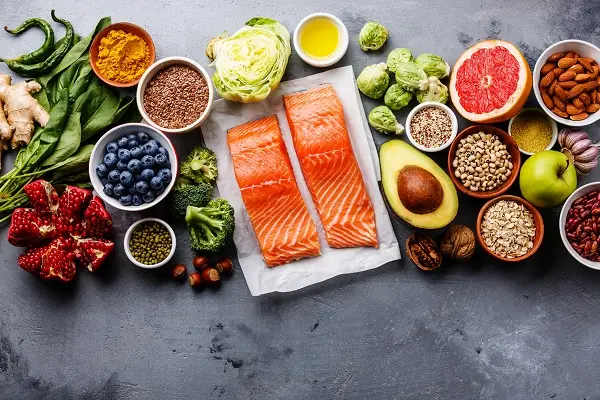
Maximizing athletic performance is about more than hours spent in training or on the field—it begins in the kitchen. The foods you consume, the timing of meals, and your hydration strategies can dramatically impact your strength, endurance, focus, and recovery. For serious athletes and fitness enthusiasts, understanding how to fuel the body correctly is essential. In this guide, I will share my professional insights into diet tips for peak performance, combining scientific research with practical, real-world experience to help you reach your full potential.
The Connection Between Nutrition and Athletic Performance
Nutrition plays a critical role in every aspect of athletic performance. Energy availability, muscle recovery, mental focus, and overall health are all influenced by what you eat and when you eat it. Unfortunately, many athletes underestimate the importance of proper fueling, focusing solely on training intensity while neglecting the nutritional component.
Carbohydrates provide the primary source of energy for high-intensity exercise, supporting muscle contractions and maintaining glycogen stores. Proteins are essential for muscle repair and growth, while healthy fats assist in hormone production and long-term energy supply. Micronutrients, including vitamins and minerals, support immunity, bone health, and enzymatic functions critical to performance.
A diet optimized for athletic performance is not about restriction or extreme dieting—it’s about aligning nutritional strategies with your training schedule, recovery needs, and long-term performance goals.
Core Principles of Diet Tips for Peak Performance
When designing a nutrition strategy for maximum athletic output, certain principles are essential. Understanding these principles ensures your diet not only fuels performance but also supports recovery and reduces injury risk.
Energy Balance and Caloric Needs
Athletes require sufficient calories to fuel both training and daily activity. Underfueling can result in fatigue, impaired performance, and slowed recovery. The precise caloric requirements vary depending on body composition, training intensity, and sport-specific demands. Endurance athletes often require higher carbohydrate intake, while strength-focused athletes may need additional protein to support muscle growth. The key is to achieve a balanced energy intake that matches your expenditure.
Macronutrient Optimization
Balancing carbohydrates, proteins, and fats is fundamental. Carbohydrates are crucial for maintaining glycogen stores, particularly for high-intensity or prolonged exercise. Proteins, consumed throughout the day, repair muscle tissue and stimulate hypertrophy. Healthy fats, including omega-3 fatty acids, support cardiovascular health and hormone regulation. Integrating all three macronutrients in appropriate ratios ensures the body has the fuel it needs for both training and recovery.
Hydration Strategies
Optimal hydration is often overlooked yet can dramatically influence performance. Even a small deficit in fluid intake can impair endurance, strength, and cognitive function. Athletes should develop a hydration routine, consuming water before, during, and after workouts. Electrolytes, particularly sodium and potassium, become critical during prolonged or intense activity to prevent cramping and maintain optimal nerve function.
Timing and Meal Frequency
When you eat can be as important as what you eat. Pre-workout meals should provide easily digestible energy to maximize performance, while post-workout meals should focus on recovery, replenishing glycogen, and repairing muscle tissue. Eating at consistent intervals throughout the day ensures steady energy levels, reduces the risk of overeating, and supports metabolic efficiency.

Pre-Workout Nutrition: Fueling for Maximum Output
The pre-workout meal sets the stage for performance. Consuming the right combination of macronutrients 1–3 hours before training can enhance energy levels, delay fatigue, and improve focus.
Carbohydrates should make up the bulk of the meal, providing rapid energy for muscles. Complex carbohydrates, such as oats, brown rice, or whole-grain bread, are ideal because they provide sustained energy. Pairing carbohydrates with moderate protein—like eggs, Greek yogurt, or lean poultry—supports muscle maintenance without slowing digestion.
Timing is key: eating too close to a workout may cause gastrointestinal discomfort, while eating too early may leave you running low on energy during high-intensity sessions. Experimenting with meal timing and composition is important to find what works best for your body and sport.
For athletes engaging in early-morning training sessions, a small, easily digestible snack such as a banana with nut butter or a protein smoothie can provide enough energy without causing discomfort.
Post-Workout Recovery Nutrition: Repairing and Rebuilding
Post-workout nutrition is essential for recovery, performance gains, and injury prevention. After exercise, muscles are depleted of glycogen and in a catabolic state. Consuming a combination of carbohydrates and protein within 30–60 minutes post-exercise accelerates glycogen replenishment and stimulates muscle protein synthesis.
A ratio of approximately 3:1 carbohydrates to protein is recommended for most athletes, though individual needs may vary. For example, chocolate milk, a smoothie with fruits and protein powder, or a balanced meal of lean protein and complex carbohydrates can all be effective recovery options.
Recovery nutrition is not limited to post-workout meals; it extends to the entire day. Consuming protein-rich meals at regular intervals maintains an anabolic environment, supporting continuous muscle repair and adaptation.
Micronutrients and Supplements: Enhancing Performance
While macronutrients are critical, micronutrients play a subtle yet essential role in performance. Vitamins such as B-complex support energy metabolism, while minerals like magnesium and calcium are crucial for muscle contraction and bone health. Antioxidants, including vitamins C and E, can reduce oxidative stress caused by intense training.
Supplements may be useful in specific circumstances, but they should not replace a balanced diet. Protein powders, creatine monohydrate, omega-3 fatty acids, and electrolyte supplements can complement a well-rounded diet. The key is evidence-based supplementation tailored to the individual’s needs, sport, and training load.
Hydration Strategies for Peak Performance
Hydration impacts not only physical performance but also cognitive function, focus, and reaction time. Athletes should develop a systematic approach: pre-hydrating before workouts, drinking consistently during training, and replenishing fluids afterward. Sports drinks containing electrolytes may be beneficial for prolonged or high-intensity sessions lasting over an hour.
Monitoring hydration status can be simple: urine color, bodyweight changes, and thirst cues provide practical feedback. Elite athletes often weigh themselves before and after training sessions to track fluid loss and adjust intake accordingly.
Read Also: How to Improve Stamina Fast: A Comprehensive Guide for Lasting Energy and Endurance
Common Dietary Mistakes Among Athletes
Even experienced athletes can make mistakes that undermine performance. These include:
- Skipping Meals: Neglecting pre- or post-workout nutrition reduces energy availability and slows recovery.
- Overreliance on Supplements: Supplements can be helpful but should not replace whole foods rich in micronutrients and fiber.
- Ignoring Hydration Needs: Many athletes underestimate fluid loss during training, impacting endurance and focus.
- Inconsistent Meal Timing: Irregular eating patterns can cause energy crashes, digestive issues, and impaired recovery.
Addressing these mistakes ensures your diet tips for peak performance are effective and sustainable.
Meal Planning for Consistent Performance
A successful nutrition strategy requires planning. Preparing meals in advance ensures you always have access to nutrient-dense foods, reducing the temptation for processed, low-quality options. Focus on lean proteins, complex carbohydrates, healthy fats, fruits, vegetables, and whole grains. Variety is essential to cover all macro- and micronutrient requirements.
Integrating snacks strategically throughout the day can maintain energy levels and prevent large spikes and drops in blood sugar. Options such as nuts, Greek yogurt, fresh fruit, and whole-grain crackers are convenient and nutrient-dense.

Nutrition Strategies for Different Types of Athletes
Athletes’ nutritional needs vary by sport. Endurance athletes, such as long-distance runners or cyclists, require higher carbohydrate intake to maintain glycogen stores. Strength athletes, like powerlifters and football players, benefit from higher protein consumption to support muscle repair and growth. Mixed-sport athletes, such as soccer or basketball players, need a balanced approach to fuel both aerobic and anaerobic performance.
Even within these categories, individual differences matter. Factors such as metabolism, body composition goals, and training intensity require personalized nutrition strategies for optimal results.
Lifestyle Considerations: Sleep, Stress, and Recovery
Diet alone cannot achieve peak performance. Sleep quality, stress management, and recovery routines are equally important. Sleep is essential for hormone regulation, muscle repair, and cognitive performance. Stress, if unmanaged, can affect appetite, digestion, and energy levels.
Integrating lifestyle strategies such as mindfulness practices, stretching, mobility work, and active recovery ensures that nutrition and training work synergistically to enhance performance.
Real-World Tips for Sustained Peak Performance
- Track Your Intake: Keeping a food journal helps monitor macronutrient balance, caloric intake, and hydration.
- Experiment with Timing: Find the optimal pre- and post-workout meals that enhance energy and recovery.
- Prioritize Whole Foods: Focus on nutrient-dense, minimally processed foods as the foundation of your diet.
- Stay Consistent: Small, consistent changes over time often produce the greatest performance improvements.
- Listen to Your Body: Pay attention to energy levels, digestion, and recovery, and adjust nutrition accordingly.
Conclusion
Optimizing your diet is a cornerstone of athletic excellence. Following these diet tips for peak performance ensures your body has the fuel, nutrients, and hydration it needs to train harder, recover faster, and perform at your best. By combining smart meal planning, proper timing, balanced macronutrient intake, and lifestyle strategies, athletes can maximize both short-term performance and long-term health.
Remember, peak performance is not achieved through training alone—it is the careful alignment of nutrition, recovery, and consistent practice. By committing to a scientifically grounded, personalized diet strategy, you empower yourself to reach new heights in your sport and maintain the energy, focus, and resilience required to succeed.
Find more helpful guides on Crunchy Greens at tophillsportcom.