

Sports today are not the same as they were many years ago. In the past, athletes trained using simple tools, coaches used notebooks to track performance, and referees made decisions only with their eyes. Now everything is different because modern technology has entered the world of sports. Technology helps players run faster, jump higher, train smarter, and avoid injuries. It also helps referees make fair decisions and allows fans to enjoy games in exciting new ways. Even a ten-year-old can see that sports today look more futuristic than ever before.
Technology in sports is like having a superpower helper. It watches players, measures their movements, studies their mistakes, and shows them how to improve. This makes athletes stronger and smarter. It also makes competitions more fair and more fun to watch. In this article, you will learn about the amazing new technologies used in modern sports and how they are changing the game for players, coaches, and fans all around the world.
Smart Wearable Devices Helping Athletes Train Better
One of the biggest breakthroughs in sports technology is wearable devices. These are small gadgets that players wear on their bodies while training or playing. They can look like watches, belts, or small trackers placed inside shirts. These devices can measure heart rate, speed, distance, steps, and even how tired a player is.
Imagine running during a football match and a tiny device is counting every step you take. After the game, the coach can check the data and see how fast you ran, when you slowed down, and when you were at your best. This helps coaches create better training plans. If a player is getting tired too quickly, they can practice stamina exercises. If they are not running fast enough, they can train their speed.
These smart wearables also protect players from injuries. If the device sees that a player’s body is under too much stress, it can warn the coach. The coach can then let the player rest before they get hurt. Because of this, many professional teams now use wearable technology every day.
Video Assistant Referee Making Decisions Fair
Referees have one of the hardest jobs in sports. They must make quick decisions in seconds, and sometimes they can make mistakes because everything happens so fast. Modern technology has helped solve this problem through systems like video review tools. Cameras placed around stadiums record every second of the match from many angles.
When a referee is unsure about a decision, they can check the replay on a screen. This helps them see exactly what happened. For example, in football, they can check if a goal was offside or if a foul really happened. This technology makes games more fair because decisions are based on clear video evidence instead of guesses.
Fans also feel happier when they know decisions are correct. Players respect the results more because they trust the system. This shows how technology can make sports honest and transparent.

Smart Balls That Track Movement and Speed
Modern sports balls are no longer just simple balls. Some of them now have tiny sensors inside. These sensors can track how fast the ball moves, how far it travels, and even how it spins. In cricket, smart balls can measure bowling speed and swing. In football, they can show how hard a player kicked the ball.
This information is very useful for players and coaches. A bowler can learn how to improve speed. A football player can see if their shots are powerful enough. Coaches can use this data to teach better techniques. It is like having a science lab inside a sports field.
Smart balls also make games more exciting for fans watching on TV. Viewers can see live speed numbers on the screen while the game is happening. This makes watching sports more fun and educational at the same time.
Artificial Intelligence Coaching Players Like a Robot Teacher
Artificial Intelligence, also called AI, is one of the smartest technologies used in sports today. AI is a computer system that can think, learn, and analyze information. In sports, AI studies thousands of game videos and player movements. It then gives suggestions on how players can improve.
For example, AI can study a tennis player’s swing and compare it with the swings of top champions. It can then tell the player what they are doing wrong and how to fix it. This is like having a robot coach who never gets tired and always gives advice.
AI can also predict game results and strategies. Coaches use AI tools to study opponents. They can learn which moves the other team uses most often and how to stop them. Because of this, teams can prepare smarter game plans and increase their chances of winning.
Virtual Reality Training Without Leaving the Room
Virtual Reality, also called VR, is another amazing technology used in modern sports. VR uses special headsets that show a 3D virtual world. When athletes wear these headsets, they feel like they are inside a real game even though they are standing in a room.
For example, a goalkeeper can practice saving penalty kicks in a virtual stadium. The headset shows a realistic player kicking the ball toward them. The goalkeeper can practice again and again without needing a real field or team. This saves time and helps players practice safely.
VR is also helpful for learning strategies. Players can watch simulated matches and understand where they should stand or move. This helps them make better decisions during real games. Training with VR feels like playing a video game, which makes practice fun and exciting.
Smart Stadiums Giving Fans an Amazing Experience
Technology is not only helping players but also fans. Modern stadiums are becoming smart stadiums. These stadiums use advanced systems to improve comfort, safety, and entertainment for people watching the game.
In smart stadiums, fans can use mobile apps to find their seats, order food, and watch replays instantly. Some stadiums have giant screens that show close-up action from many angles. Others have fast internet so fans can share live updates on social media.
Safety is also improved. Cameras and sensors help security teams monitor crowds and prevent problems. Smart lighting systems adjust brightness automatically. All of this makes watching a game in a stadium more enjoyable than ever before.
Motion Tracking Cameras Studying Every Movement
High-speed cameras are another powerful technology used in sports. These cameras can record thousands of frames per second. This allows coaches to see every tiny movement a player makes.
For example, in athletics, a sprinter’s running style can be analyzed step by step. Coaches can see if their posture is correct or if their feet land in the wrong position. Even small mistakes can be fixed after watching slow-motion recordings.
In sports like baseball or cricket, motion tracking helps players improve their swings. By studying slow-motion videos, they can learn the perfect timing and angle. This technology turns practice into a scientific learning process.
Advanced Fitness Machines Building Stronger Athletes
Modern gyms used by athletes are filled with smart machines. These machines can measure strength, balance, and muscle power. Some machines even adjust weight automatically depending on how strong a player is.
For example, a smart treadmill can change speed and slope while a player runs. This helps simulate real match conditions. Strength machines can track how much force a player uses and show progress over time.
Because of these machines, training is no longer guesswork. Every exercise is measured and recorded. Players can clearly see how they are improving each day. This motivates them to work harder and reach higher levels.
Injury Prevention Technology Saving Careers
Injuries can end an athlete’s career, but technology is helping prevent them. Special scanning machines can check muscles, bones, and joints. These scans can find small problems before they become serious injuries.
Wearable sensors can also track how a player moves. If they move in a way that might cause injury, the system sends a warning. Coaches can then change the training routine to keep the player safe.
Recovery technology is also improving. Ice therapy machines, compression devices, and muscle stimulation tools help athletes heal faster. Because of these inventions, players can return to the field sooner and stay healthy longer.
Data Analytics Turning Numbers into Winning Strategies
Data analytics is like detective work using numbers. In sports, computers collect huge amounts of data about matches and players. This data includes passes, shots, speed, accuracy, and many other details.
Analysts study this information to find patterns. They can see which strategy works best or which player performs better in certain situations. Coaches then use this knowledge to make smart decisions.
For example, if data shows that a basketball player scores more from the left side of the court, the coach can design plays to give them the ball there. This makes the team stronger and more organized. Data analytics turns raw numbers into winning plans.
Smart Clothing Designed for Performance
Sports clothing has also become high-tech. Modern sportswear is made from special fabrics that keep athletes cool, dry, and comfortable. Some clothes even have sensors inside them.
These smart clothes can measure heart rate, breathing, and body temperature. They send this information to a device that coaches can check. This helps them understand how the athlete’s body is working during training.
High-tech shoes are another example. Many sports shoes are designed using computer science. They provide better grip, balance, and shock absorption. This helps athletes move faster and reduces the risk of injury.
Drone Technology Changing Game Analysis
Drones are flying machines with cameras. In sports, drones are used to record matches and training sessions from above. This gives coaches a bird’s-eye view of the field.
From this angle, coaches can see team formations clearly. They can study how players move and where gaps appear. This helps them improve teamwork and strategy.
Drones are also used to film exciting sports videos. Fans love watching aerial shots because they show the game in a new and beautiful way. This makes sports broadcasting more exciting and modern.
Read Also: Diet Tips for Peak Performance: Fuel Your Body Like an Elite Athlete
3D Printing Creating Perfect Sports Equipment
3D printing is a technology that can create objects layer by layer using special machines. In sports, this technology is used to make customized equipment for athletes.
For example, a runner can get shoes designed exactly for their feet. A cyclist can get a helmet shaped perfectly for their head. Because the equipment fits perfectly, performance improves and comfort increases.
3D printing also helps repair equipment quickly. Instead of waiting weeks for replacements, teams can print new parts in a short time. This saves money and time.
Fan Engagement Technology Bringing Supporters Closer
Modern sports are not only about playing but also about connecting with fans. Technology helps fans feel closer to their favorite teams and players. Mobile apps, live statistics, and interactive screens allow fans to follow every detail of a match.
Some platforms let fans choose camera angles while watching online. Others show live player stats during the game. This makes fans feel like they are part of the action instead of just watching from far away.
Social media technology also plays a big role. Fans can talk to players, share opinions, and celebrate victories together. This creates a strong community around sports.
The Future of Sports Technology
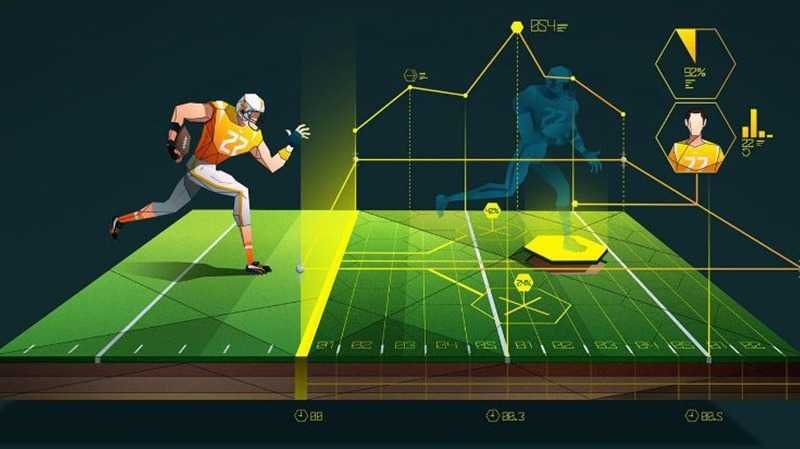
The future of sports technology looks even more exciting. Scientists are working on new inventions that could change sports again. Smart contact lenses might show live data to players while they play. Robots might help train athletes. Stadiums might use holograms to show 3D replays in the air.
As technology grows, sports will become faster, safer, and more entertaining. Young players who start training today will grow up using tools that feel like science fiction. The connection between sports and technology will continue to grow stronger every year.
Conclusion: Technology Is the New Teammate
Modern sports and technology now work together like best teammates. Technology helps athletes train better, helps referees make fair decisions, and helps fans enjoy games more. From smart wearables and AI coaching to VR training and smart stadiums, every part of sports is becoming smarter.
Even though talent and hard work are still the most important parts of sports, technology gives players an extra advantage. It teaches them, protects them, and guides them toward success. For young readers and future athletes, this means the world of sports is full of exciting possibilities.
As technology continues to grow, sports will keep evolving. New inventions will appear, new records will be broken, and new champions will rise. One thing is certain: technology is not just changing sports. It is shaping the future of sports in ways we never imagined before.
Find more helpful guides on Crunchy Greens at tophillsportcom.